Lemon tahini dressing is a mixture of sesame paste, lemon juice, water and seasoning. For this small batch, begin with 1/4 cup tahini and 2 tablespoons lemon juice, then whisk in cold water gradually until it pours. A little garlic is optional, and you do not need a blender or added oil.
The tricky moment comes when the mixture gets stiff instead of creamy. Keep the water nearby. A thick paste at the start does not mean the dressing has failed, and adding more lemon is not always the right fix.
Recipe development note: this formulation has not been independently kitchen-tested. Preparation time, yield and water needs are estimates; tahini brands vary in thickness.
Ingredients for a small batch
Estimated preparation: 5–10 minutes. Cooking: none. Estimated yield: about 1/2–2/3 cup, depending on dilution. Use US measuring cups and spoons.
- 1/4 cup (60 ml) plain tahini, thoroughly stirred
- 2 tablespoons (30 ml) lemon juice, plus more only if needed
- 2–4 tablespoons (30–60 ml) cold drinking water, added gradually
- 1/8 teaspoon fine salt, then adjust to taste
- 1/2 small garlic clove, finely grated, optional
- 1/2 teaspoon maple syrup, optional, if you prefer a slightly sweeter finish
You will also need a bowl, a small whisk or fork, measuring spoons and a covered container for any leftovers. A bowl gives you more control than shaking a narrow jar while the mixture is still stiff.
Choose and stir the tahini first
Use plain sesame tahini rather than a sweetened sesame spread. Stir the jar until the oil on top and dense paste at the bottom are evenly combined. Measuring just the oily surface or scraping only the dry bottom can give very different results.
Tahini is naturally sesame-based, so this dressing is not suitable for someone with a sesame allergy. FDA identifies sesame as a major food allergen. Check all ingredient labels and avoid cross-contact when cooking for someone with an allergy.
How to make lemon tahini dressing
- Prepare the lemon and garlic. Wash the lemon before cutting it, measure the juice and remove any seeds. Grate the optional garlic finely so you do not bite into a large raw piece.
- Mix the base. Put the stirred tahini, lemon juice, salt and optional garlic in the bowl. Whisk. The mixture may become pale, thick or slightly grainy.
- Add the first water. Whisk in 1 tablespoon of cold water until incorporated. Add a second tablespoon and whisk again, scraping the bottom of the bowl.
- Choose the thickness. Continue with water 1 teaspoon at a time, up to the remaining amount or a little more if needed. For a bowl topping, aim for a slow ribbon from the spoon. For delicate salad leaves, make it loose enough to coat without weighing them down.
- Taste it with food. Try a little on a leaf, cucumber slice or piece of cooked potato. Add a small pinch of salt, a few drops of lemon or the optional maple syrup only if that sample needs it.
Tahini producer Soom describes the same initial thickening when tahini meets lemon, followed by loosening with cold water. Add the water gradually so you can stop at the texture you want.
Fix the texture or flavor one thing at a time
| Problem | Try this |
|---|---|
| Too thick or stiff | Whisk in cold water, 1 teaspoon at a time. Scrape down any unmixed paste. |
| Too thin | Mix in a teaspoon of well-stirred tahini, then reassess. Recheck the lemon and salt afterward. |
| Too sharp | Add a little tahini and enough water to keep it pourable. Optional maple syrup can soften the flavor, but does not remove the acid. |
| Too garlicky | Make a little more base without garlic and combine. Extra lemon alone may leave it both sharp and garlicky. |
| Light natural bitterness | Try a small amount on food before changing it. A touch of optional maple syrup may suit your taste. |
| Unpleasant rancid smell or taste | Discard the tahini or dressing. Do not cover spoilage with sweetener or lemon. |
I would adjust a spoonful first if you are unsure. It is easier to compare two small samples than to keep adding ingredients to the whole bowl.
Ways to serve it
For a warm meal, spoon the thicker version over roasted cauliflower and carrots after cooking. Keep some vegetables undressed if you prefer a stronger contrast between the browned edges and creamy sauce.
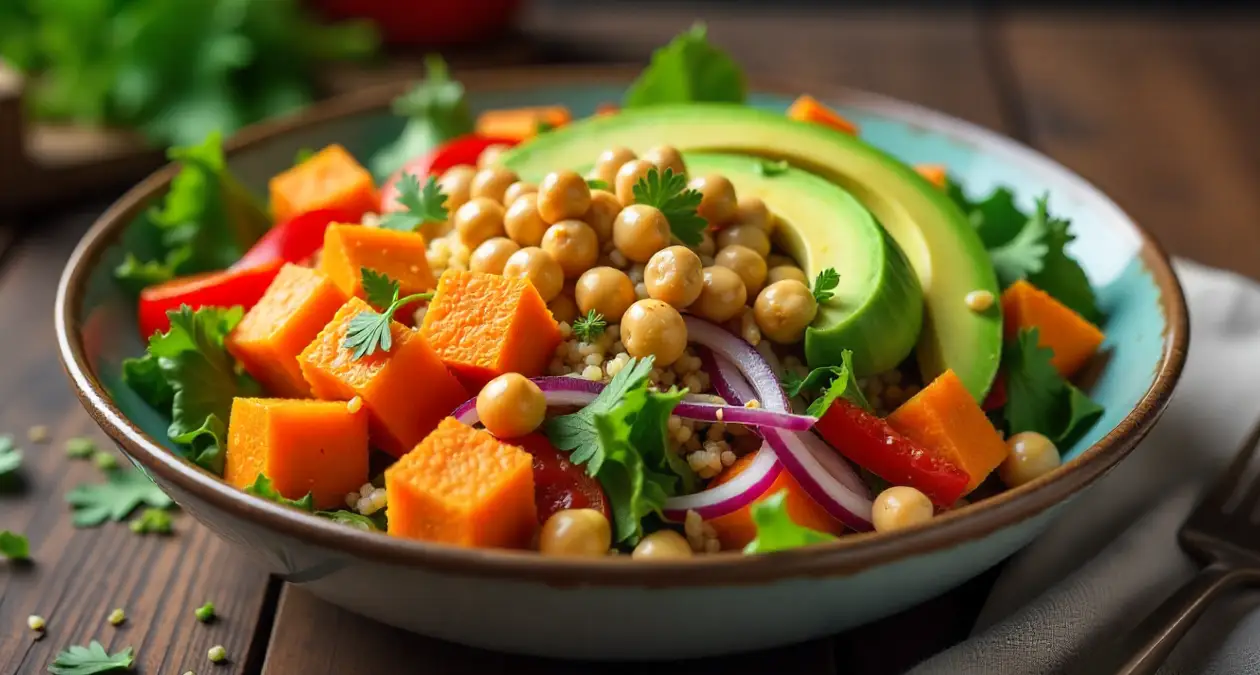
For lunch, use it in place of the vinaigrette in our sweet potato quinoa salad. Start with a small amount, toss and add more as needed; you may not need the full batch.
It also works as an alternative dressing for chickpea cucumber salad. Drain the chickpeas and dry the cucumber well so extra surface water does not dilute the dressing. For packed lunches, carry the dressing separately and combine just before eating.
Storage and making ahead
Refrigerate the finished dressing promptly in a clean, covered container at 40°F (4°C) or below. For this untested home formulation, use a conservative 3–4-day limit based on USDA’s general leftover guidance; this is not a laboratory-validated shelf life for this particular dressing.
Keep total unrefrigerated time under two hours, or one hour above 90°F (32°C). For an outdoor meal, keep the container cold in a cooler and pour out only what you need. Lemon juice does not make this homemade mixture shelf-stable, and it is not a canning recipe.
The dressing may thicken in the refrigerator. Stir first, then loosen the serving you need with a small splash of drinking water. Use a clean spoon, label the preparation date and do not rely on smell alone to judge safety.
Questions before you start
Is this dressing vegan?
The listed ingredients are plant-based, including the optional maple syrup. Check packaged ingredients. Using honey instead would make it unsuitable for a vegan diet.
Is it oil-free?
It contains no added oil, but tahini contains sesame’s natural fat. “No added oil” is the clearer description; it does not mean fat-free or automatically low in calories.
Can I leave out the garlic?
Yes. Garlic is optional here. Taste the lemon, sesame and salt together before deciding whether to add another seasoning.
Can I double the recipe?
Double the tahini and measured seasonings, but continue to add water gradually. Make only the amount you expect to use within the refrigerated storage period.
Keep the first batch simple. Once the dressing coats your food the way you like, write down the amount of water you used with that tahini brand. It is a useful starting point for the next bowl.